


Subtotal $0.00

A Diet Fueling Cardiac Risk
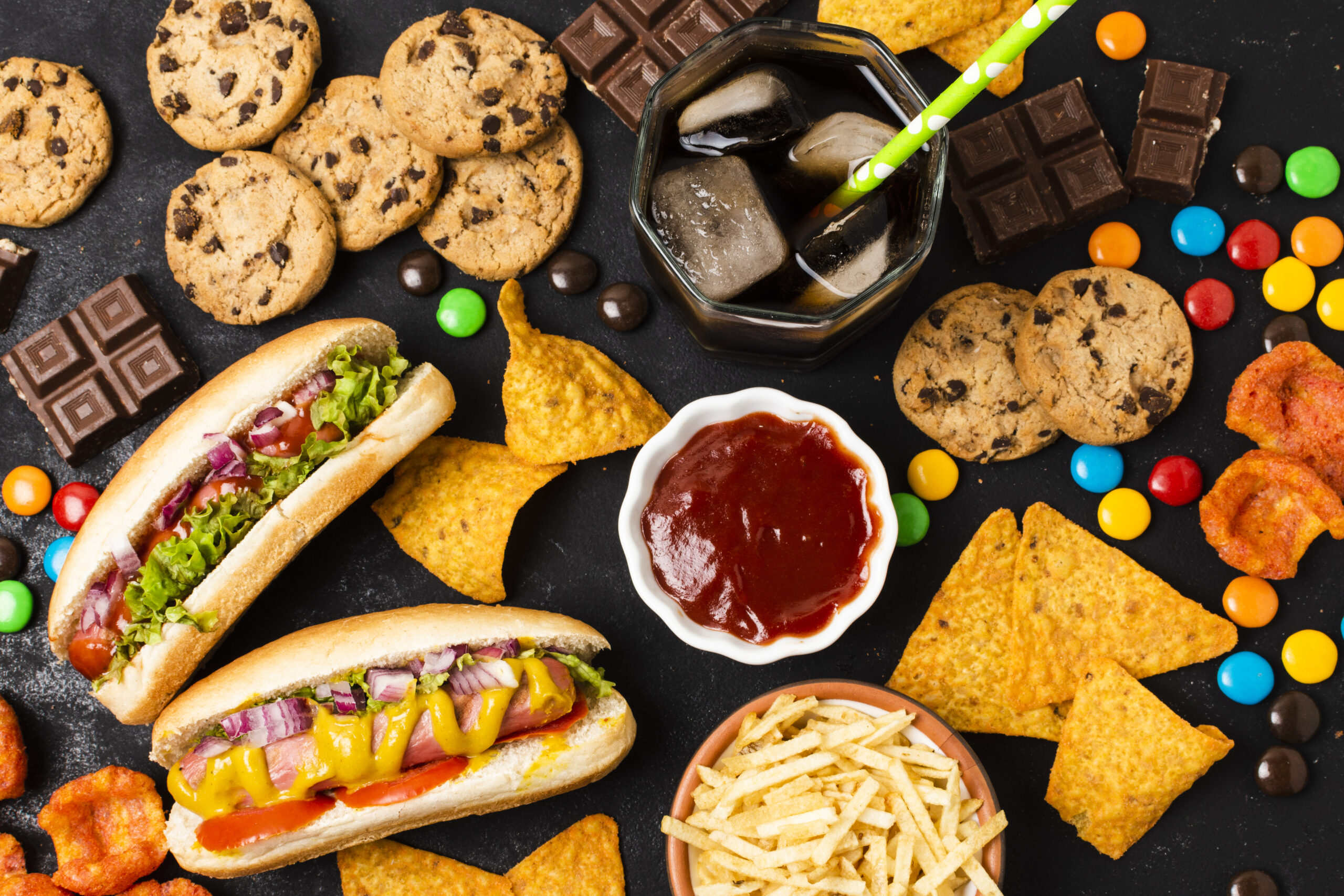
Processed foods—those industrially modified with additives, preservatives, flavorings, colorings, or cooking methods—have become a dominant component of the modern diet. Their popularity, however, has had alarming consequences: an exponential increase in cardiovascular diseases (CVD) associated with regular consumption of these products.
“The human heart was not designed to metabolize ultra-processed products three times a day for decades” — Dr. Dariush Mozaffarian, Dean of Nutrition, Tufts University.
Mechanisms of Cardiovascular Damage
- Chronic inflammation: Many ultra-processed foods contain refined vegetable oils (high in omega-6) and artificial antioxidants that promote the release of pro-inflammatory cytokines, accelerating atherogenesis.
- Endothelial dysfunction: Excess sodium and trans fats impair nitric oxide production, crucial for vasodilation, leading to arterial stiffness and hypertension.
- Insulin resistance: Repeated glucose spikes—produced by corn syrup and added sugars—contribute to insulin resistance, an independent risk factor for coronary disease.
Epidemiological Evidence
- EPIC Study (Europe, 2022): Consuming more than four daily servings of ultra-processed foods was associated with a 62% higher risk of major cardiovascular events (heart attack, stroke).
- PURE Study (Global, 2021): In low-income urban communities, each 10% increase in ultra-processed calorie intake raised cardiovascular mortality by 11%.
- Meta-analysis 2023: Showed that reducing ultra-processed calorie intake by 5% translated to significant decreases in systolic blood pressure (–4 mmHg) and LDL levels (–10 mg/dL).
Vulnerable Groups
- Young adults (18–35 years): High consumption of snacks, energy drinks, and fast food in academic or work-stress contexts.
- Individuals of low socioeconomic status: Cheap, accessible diets based on ultra-processed products, with limited availability of fruits, vegetables, and whole grains.
- Patients with chronic diseases: The inflammatory and metabolic overload from ultra-processed foods worsens preexisting conditions like type 2 diabetes and metabolic syndrome.
Prevention and Mitigation Strategies
- Clear front-of-package labeling: Implement warning labels (high in sugar, sodium, or trans fats) to guide healthier choices.
- Incentives for fresh foods: Subsidies or discounts on fruits, vegetables, and legumes, especially in “food deserts”.
- Nutritional education: Community and school programs that teach cooking with basic ingredients, promoting flavor without harmful additives.
- Fiscal policies: Taxes on sugar-sweetened beverages and ultra-processed snacks have been shown to reduce consumption by 10–20% within the first two years.
Expert Perspectives
“The most effective strategy against CVD is not a new drug, but transforming how we produce, market, and consume food.” — Dr. Walter Willett, Professor Emeritus of Nutritional Epidemiology, Harvard T.H. Chan School of Public Health.
“Reducing ultra-processed foods is as impactful for heart health as quitting smoking; yet it still lacks the public attention it deserves.” — Dr. Valter Longo, Director of the Longevity Institute, USC.
The mass consumption of ultra-processed foods constitutes a major modifiable cardiovascular risk factor. Addressing this challenge requires collaboration among legislators, the food industry, healthcare professionals, and society as a whole. Only then can we reverse the CVD trend and ensure a healthier future for all populations.
Comments are closed